London Museum sets date for grand opening
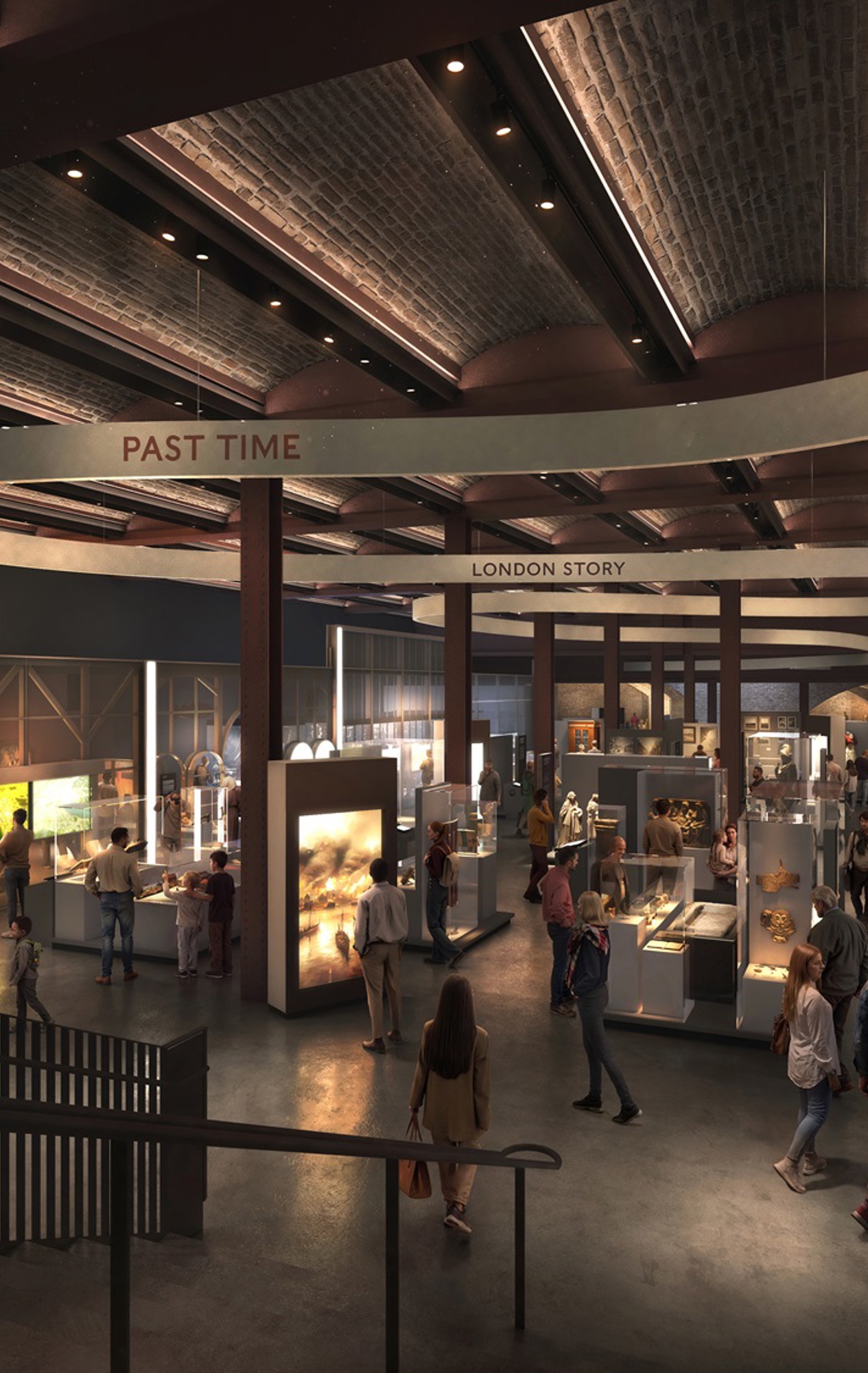
19 Jun 2026The new free permanent galleries in Smithfield will open in November 2026 in time for the museum's 50th anniversary
During Net Zero Week, Company Carbon Manager, Simon Leek, outlines how our Sustainable Engineering Excellence strategy is strengthening our ambition to become Net Zero by 2045
Climate change is the defining challenge of our generation, and the construction industry has a critical role to play in addressing it. The buildings and infrastructure we create shape the world around us, but they also contribute significantly to global greenhouse gas emissions. At Sir Robert McAlpine, we recognise both our responsibility and our opportunity to help lead the transition to a low-carbon future.
 Whilst carbon reduction is nothing new to our business, our current journey started in 2021, when we committed to the Science Based Targets initiative (SBTi) and in 2023 we became one of the first Tier 1 contractors to have our Net Zero by 2045 target validated by the SBTi. This validation ensures our targets are ambitious, credible and aligned with the Paris Agreement’s goal of keeping planetary warming to 1.5°c, limiting the worst impacts of climate change.
Ambitious but credible carbon targets, however, will never be delivered upon, without a clear plan and framework, exactly what our Net Zero Action plan and PAS2080 Carbon Management System provide. In 2024, we doubled down on our commitments, becoming the 1st Tier 1 contractor to achieve PAS2080 certification across our entire business. Through our certified carbon management system we are integrating our approach to carbon reduction throughout our operations. As well as reducing our own carbon emissions, the robust systems, processes and internal expertise we have in place are delivering quantifiable benefits to our clients too.
Today, our performance demonstrates that meaningful decarbonisation can be achieved through a combination of leadership, collaboration and robust management systems. Since our 2019/20 baseline year, we have reduced our total Scope 1, 2 and 3 emissions by 33%. Keeping us ahead of our science-based pathway and on track to achieve Net Zero by 2045.
A key part of this success has been tackling emissions within our own operations, we have achieved a remarkable 71% reduction in Scope 1 and 2 emissions compared to our baseline year. Electricity and fuel consumption have fallen by 34%, while 92% of the electricity we consume now comes from renewable sources. We have also replaced significant quantities of diesel with more than 2.5million litres of low-carbon responsibly sourced Hydrogenated Vegetable Oil (HVO), reducing emissions while maintaining operational performance.
While this progress is encouraging, we have learned that the greatest challenge lies ahead and beyond our direct operations. Scope 3 emissions account for 88% of our carbon footprint and are primarily associated with the materials, products and services required to deliver construction projects. This reflects a wider industry challenge: the majority of construction emissions sit within complex supply chains rather than individual organisations.
It’s why in 2023, to accelerate change, we joined the Climate Group's ConcreteZero and SteelZero initiatives, aligning with our Net Zero 2045 target and signalling our commitment and demand for low carbon concrete and steel, our 2 most significant carbon hotspots.
These commitments are not symbolic, they are helping drive real change. Today, 45% of the ready-mix concrete used on our projects meets the definition of low embodied carbon concrete, significantly ahead of our ConcreteZero milestone of 30% by 2025 and putting us firmly on track to achieve 50% by 2030. Similarly, 29% of our structural steel and reinforcement steel now qualifies as low-emission steel, supporting our pathway towards our SteelZero commitment of 50% by 2030.
A significant challenge on our journey has been capturing the sheer volume of carbon data required to accurately understand our impact and performance, whilst simultaneously improving the quality and consistency of the dataset and the efficiency with which it is collected. With thousands of datapoints to capture, from fragmented supply chains, it’s something we are addressing with our data improvement roadmap, utilising digital tools and platforms to capture granular data more efficiently and calculate our emissions with greater accuracy, including an online carbon calculation engine: Normative.
Our approach has allowed us to shift to using primary data over proxies, leveraging our Concrete Zero and Steel Zero data to more accurately calculate our emissions with our 2 most significant hotspots. Why Net Zero hinges on data is a topic covered in more detail my colleague Adam Robinson, in a future piece
It’s important this performance continues and a big lesson learnt is that we need to deliver consistently across our business, not just in projects of excellence. Raising the floor of our performance will have a significant impact on our emissions. It is why, last year, we released our carbon minimum standards, a set of requirements for projects to use HVO, renewable energy and ensure concrete, structural steel and steel reinforcement meet minimum carbon performance limits. Further embedding these requirements across the business will help us raise our performance floor, driving further reductions, whilst continuing to support the projects of excellence we have always had in our business.
Our journey so far also supports our clients. Improved data quality, greater understanding of performance and carbon hotspots, as well as our minimum standards all help deliver carbon reductions for them. This, alongside our dedicated in-house carbon team, supply chain knowledge and PAS2080 Carbon Management System means we can support, advise and embed clients on carbon reduction throughout each and every stage of the project.
Whether that be carrying out the NHS Net Zero Carbon coordinator role and embodied carbon assessments during early design, peer reviewing detailed design whole life carbon assessments and identifying additional carbon reduction opportunities during PCSAs (alongside other design, programme or cost efficiencies) or embedding carbon requirements during procurement and construction and delivering as-built whole life carbon data and assessments, our carbon offering delivers better outcomes for our clients. This benefits us both. After all, a reduction in our clients’ emissions reduces our own scope 3 emissions and keeps our ambitions on track. The need for collaboration then is key.
Net Zero 2045 will not be achieved by Sir Robert McAlpine alone. It will require collaboration across clients, designers, manufacturers, suppliers and contractors. However, our progress to date shows what is possible when ambition is supported by action, and the recognition that everyone has a role to play in this. So, we will continue to challenge designers to ensure we have the most material efficient solution possible, ensure we embed carbon requirements and targets in procurement documents and work collaboratively with the supply chain on further carbon reduction opportunities, or simply switch off that piece of equipment in the office. The choices we make on a day-to-day basis matter and when combined, make a significant contribution to our reduction efforts.
The road ahead remains challenging, but the direction is clear. By combining engineering excellence with sustainability leadership, we are not simply reducing carbon, we are helping to redefine what good construction looks like in a net-zero world and building a lasting legacy for future generations.
The new free permanent galleries in Smithfield will open in November 2026 in time for the museum's 50th anniversary
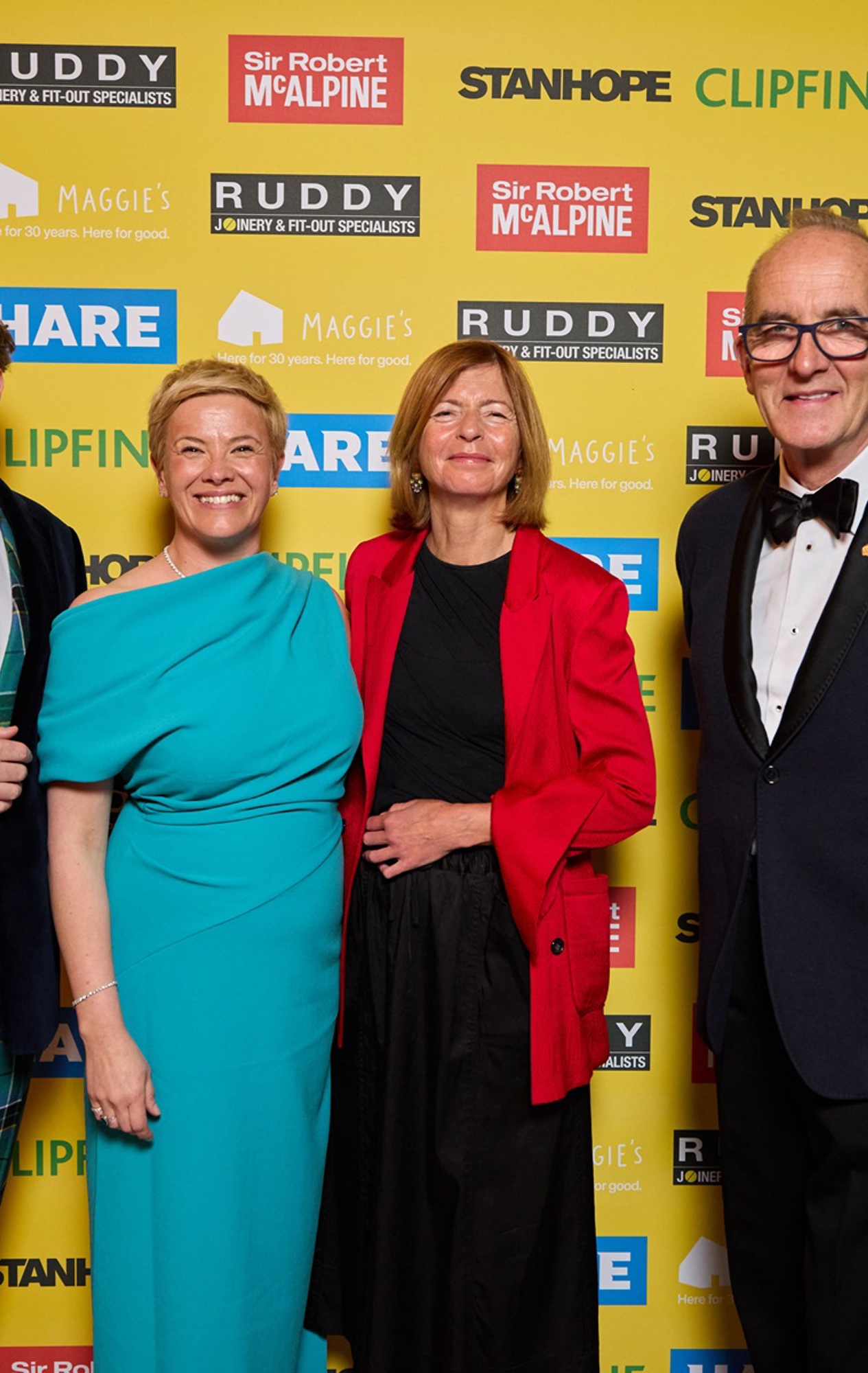
The Building Hope Spring Gala Dinner was held on Thursday 21st May at St Paul’s Cathedral
Simon brings extensive senior level experience within the healthcare sector